PR/PR is a full-service boutique publicity agency specializing in professional speakers, consultants, and non-fiction authors. We place our clients in front of their target audience through print media and online sources.

Author Archive for Carter Breazeale – Page 63

Orlando’s New Stadium (And Identity)

orlandocity
Cities rely heavily on their identity and reputations, as their potential revenue streams depend on them. Any negative press directed at an entire location, such as a spot on an annual crime-per-capita list or widely recognized lack of infrastructure or industry severely limits a city’s ability to draw in tourist dollars that can flow back into their local economies. Orlando, PR/PR’s home-base, has been long-overdue for a reputational overhaul, but not for any of the aforementioned reasons: Orlando simply suffers from a lack of identity, and today, that may change.

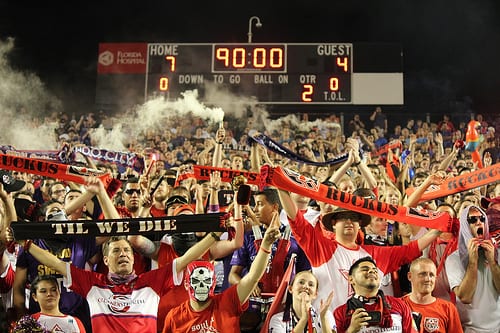
This afternoon, the Orange County Commission will vote to potentially approve tourist-tax funding for a shiny new stadium downtown, and effectively rubberstamping a Major League Soccer expansion franchise for the City of Orlando. The prospective vote will make Orlando the only MLS team in the southeast, establish the second major sports organization in the city, and create hundreds of jobs and provide a boon to the local economy. But more importantly, a vote of approval will help The City Beautiful begin to emerge from the fugue-state it’s endured since Walt Disney and Co. came to town in 1971.

Orlando’s national reputation is one of a Formica-formed cartoon town, awash with vomit-inducing rotating teacups and motels fashioned in the theme of dwarves and tree-dwelling forest creatures. These things exist, but not in the City of Orlando. The theme-park invasion that began with Walt Disney World in the seventies contributed to the city’s standing as a tourist destination and little more, but all of the mouse ear sales and overpriced turkey leg consumption take place about thirty miles south, in Kissimmee. Orlando obviously appreciates this tourist-driven economic windfall, but many residents will be quick to point out the societal divide that exists over that thirty mile buffer.

Wanting to separate from this national image, the city has made many effective strides in the last few years to shed its cultural malaise, from the influx of food trucks that have taken root in Orlando, to the recent naming of individual downtown ‘districts;’ but a new Major League Soccer franchise would be the most monumental move thus far.

By nature, Orlando is a transient-city with very few lifelong residents, and as such, sports allegiances are firmly entrenched elsewhere. A brand new team, especially in a sport experiencing such exponential popularity growth as soccer, would put the national spotlight on Orlando, and generate the camaraderie and sense of pride that only exists when rooting for your local club (not to mention the revenue created by vacationers who choose to attend an Orlando City game).

Coming from someone who was raised on Atlanta Braves baseball and denied the international soccer hype-machine for years, the Orange County Commission would be foolish not to vote to approve a new soccer stadium and subsequent MLS franchise. Orlando has much more to offer than theme parks and attractions, and getting behind a homegrown sports franchise is the best way to give the city’s longstanding identity crisis the boot.

-Carter Breazeale
Moving and Keeping Organized

So I sit on this gloomy Tuesday, my four windowless office walls replaced by a panoramic view that includes oak trees and a swimming pool, and my morning highway commute supplanted by a couple lefts and a right through downtown Orlando backstreets. Hats off to you, moving.

But as with most things in life, getting there is half the battle, and I think I can speak for the majority of humans when I say: moving is awful. My state on Friday morning was a disheveled mess; covered in dust and surrounded by relics of office spaces of yore (pencil sharpeners and a small country’s GDP worth of binder clips?). And amidst the chaotic remains of our former location, I was reminded how important organization is in any business model.

Keeping organized is easily accomplished in theory, but significantly more difficult to establish and maintain over the long-term. Papers mount. Projects get relegated to a lower position on your totem pole of priorities. Copier malfunctions turn your afternoon into a crash-course in technology repair. Many occurrences can throw you off course in your quest for office organization, so it’s important to have a well-developed system to mitigate any hiccups.

Personally, Microsoft Outlook is a godsend when it comes to keeping track of the comings and goings of any office. Setting reminders for everything, even the minutiae that are so ingrained in your routine that they’re second-nature is helpful in keeping everything in its proper place. Interruptions are often the main culprit in a lapse in organization, so having a digital safety net in calendar reminders works wonders when you’re doing ten things at once.

As I’m still getting everything setup at our new location and finding appropriate storage for the ten-plus years of rogue pens that decided to show up during our move, I’m slowly but surely establishing a routine based around maintaining organization. If you can commit yourself and make a robust effort to keep organized, you’ll notice how smooth your operation runs.

-Carter Breazeale

Pardon Our Dust!

I’m writing this still severely jet lagged from my return from Seattle yesterday. My mind is here, but my body is still located somewhere near the Puget Sound. As such, there will not be a traditional blog post this week, but an announcement that we’re all excited about.

As of tomorrow, PR/PR will be moving into our new home in downtown Orlando. We can still be contacted at the same phone number, email addresses and fax number! We’re all eager to begin this new chapter in our agency, and continue the same great work from a brand new location.


The Government: Closed for Business

walking dead

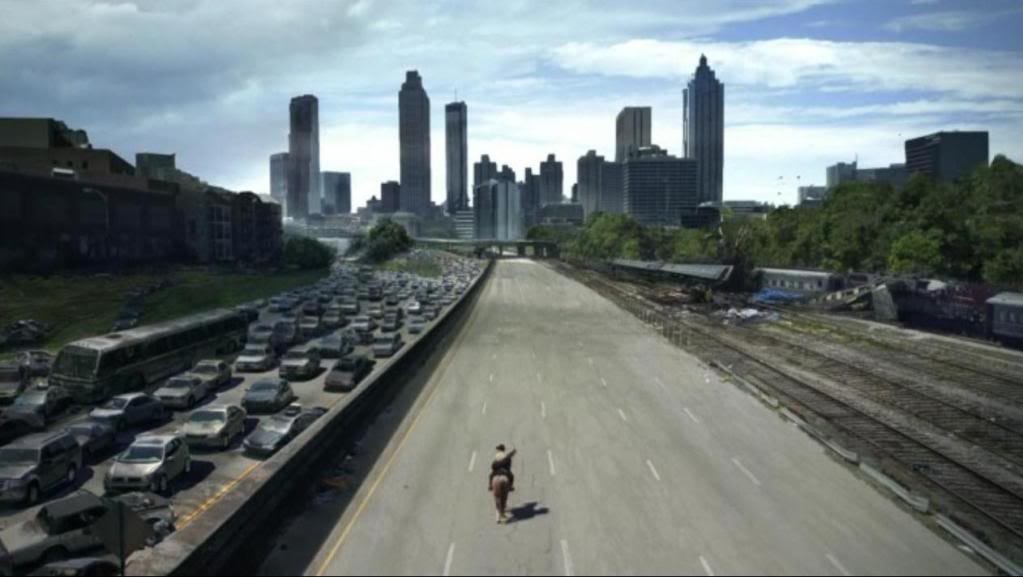
In my warped mind I like to imagine the start of the government shutdown looking something like Rick Grimes from The Walking Dead trotting his horse up a deserted highway to face the zombie apocalypse. Complete and utter anarchy; extras cut from a Mad Max sequel raiding and looting local storefronts, chaotic, massive booze-fueled parties lasting for days on end, coworkers not starting a new pot of coffee after they’ve taken the last cup. Just all-out disorder and mayhem.

Extravagant, end-times scenarios aside, not much will change – unless you’re a federal employee, or, like me, planning on visiting Mt. Rainier National Park this week. 

But since we’re on the topic of zombies, doesn’t it seem like our elected officials are doing little more than moaning and shuffling their feet? We cast our ballots for legislators to represent the will of the people, not to act on pure blood thirst for those on the other side of the aisle. The current government shutdown epitomizes everything that’s wrong with politics: politicians. When policymakers decide to dig in their heels and draw battle-lines, guess who bears the brunt of the ensuing stalemate? The citizens who voted them into office.

I try to steer clear of overtly political topics on our blog for obvious reasons, but when many federal workers are being forced to stay at home without pay while their representatives are being bankrolled to engage in a standoff, it’s at least worth a mention from my position as blogger/watchdog/advocate for the people.

Politicians love to paint a rosy picture of working with the opposition for the betterment of the country and to satisfy the demands of their constituents, but even the ill-informed can see through that silver-tongued, smoke and mirrors line of motivation. Politicians work for two things: reelection and money, and are only beholden to the corporate lobbyists that finance their campaigns and make many of their decisions on the ability to vilify their opponent for a conflicting vote come election time.

As long as the call of public service might as well come from the vaults of Fort Knox, the ‘will of the people’ will remain buried on the priority totem pole behind appeasing commercial bigwigs and position retention. Install legislative term-limits and public campaign-financing, and you might see the governmental dominos begin to finally fall in favor of the people, and the threat of federal shutdowns as a result of party politics may well become a fictitious component to a dystopian television series.

-Carter Breazeale

The Internet and the Remote Control Renaissance

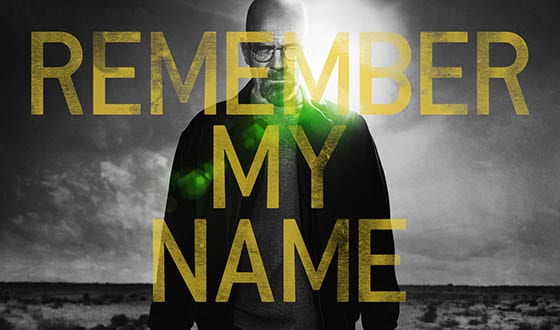
remember-my-name 

As the screen smash-cut to black in The Sopranos series finale, the levees that kept television creativity in a state of flux for far too long were finally breached, and a Golden Era of original programming was ushered in. Along with HBO shows Oz and The Wire, The Sopranos hailed the arrival of the anti-hero, the resurgence of intelligent story-arcs and plot-lines, and reinforced the network ramparts from the scourge of reality television and laugh-track sitcoms that threatened to reduce our brains to porridge.

As these series reached their respective conclusions, a vacuum was created, and the second wave of this revival – namely Mad Men, Boardwalk Empire and Breaking Bad – adroitly filled the gap, and have been setting the standard ever since.

Breaking Bad will come to its (presumably violent) end this Sunday, capping its five season run and taking its place in the conversation among the best shows ever produced. But Breaking Bad’s ascension to cultural phenomenon was not immediate – far from, in fact. As is the case with several of the acclaimed series of the last decade, there are certain growing pains at their inception, a few of which threaten their potential longevity. Thankfully, outlets such as Netflix, Hulu + and viral social media dialogue provided a panacea for many of these initial maladies, and ensured that these programs made it to their finales.

“I think Netflix kept us on the air,” said Vince Gilligan, Breaking Bad showrunner and evil-genius, during his Emmy acceptance speech for Best Drama. “Not only are we standing up here (with the Emmy), I don’t think our show would have even lasted beyond season two…It’s a new era in television, and we’ve been very fortunate to reap the benefits.”

Streaming, on-demand video permits audiences to watch at their convenience, and in the case of Breaking Bad binge-viewing, allowed for viewership to catch-up to the hype and critical praise that began circulating in 2008. Unlike The Sopranos which relied solely on Nielsen ratings to keep it afloat, Breaking Bad and other cable-network shows have had the benefit of Netflix to supplement its numbers, and maintain the suits’ confidence in its ability to eventually succeed: and American audiences are grateful.

With Vince Gilligan’s creation coming to a close, the viewing public will search for programming that even nears the quality of the tale told in Breaking Bad. But if the Golden Era of TV has taught us anything, it’s that there is an imaginative story out there, and with the aid of streaming Internet services, the revolution will be continue to be televised.

-Carter Breazeale